
CBCT vs Traditional X-Rays: Why 3D Imaging Wins

Developer
September 17, 2025
Introduction
Dentistry is entering a new era. What once depended solely on a dentist’s clinical judgment and conventional 2D X-rays is now being redefined by AI-powered dental diagnostics. From early caries detection to complex CBCT imaging interpretations, AI in dentistry is transforming how dental professionals achieve accuracy, efficiency, and patient satisfaction.
At the forefront of this evolution is Nidaan Dental AI, leveraging 40 years of annotated radiology datasets in India to accelerate global innovation. This blog explores how artificial intelligence is powering precision dentistry, what benefits it offers, and why the future of dental diagnostics in India and beyond depends on AI-driven solutions.
The Evolution of Dental Diagnostics
From Traditional X-Rays to Digital Imaging
For decades, dentists relied on film-based radiographs. While effective, they had limitations higher radiation, lower resolution, and longer processing times. The shift to digital dental imaging (OPG, cephalometric, CBCT) improved diagnostic clarity, reduced chair time, and paved the way for even more advanced technologies.
Why Imaging Alone Wasn’t Enough
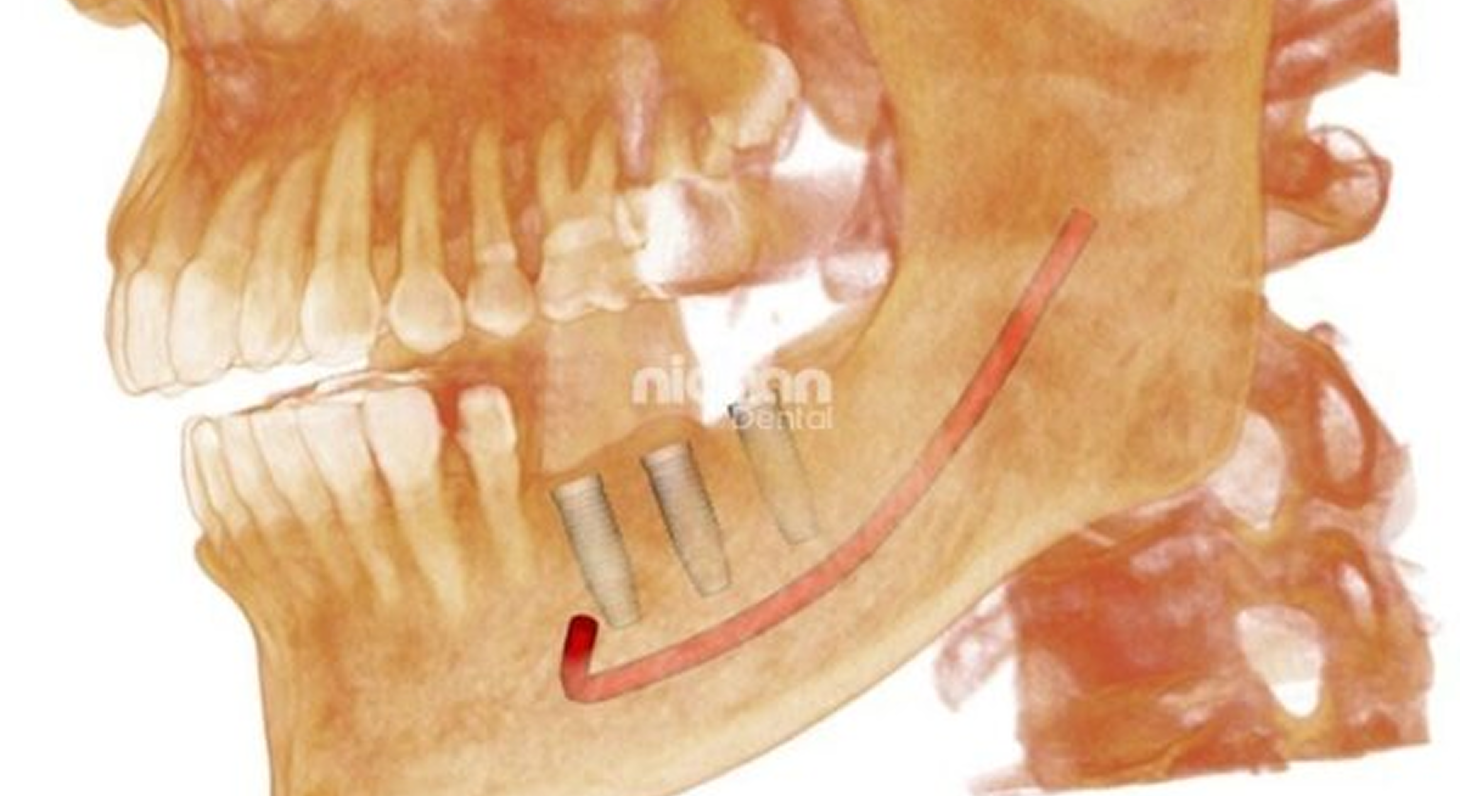
Even with CBCT’s detailed 3D views, interpretations still depended on human expertise. This created variability in outcomes — a root canal might succeed in one clinic but fail in another due to diagnostic differences. Enter AI-powered radiology systems, designed to eliminate uncertainty with data-driven insights.
The Role of AI in Modern Dentistry
How AI Enhances Diagnostic Accuracy
AI systems, particularly deep learning and convolutional neural networks (CNNs), analyze thousands of annotated scans to identify patterns and anomalies that even experienced radiologists may miss.
- Caries Detection AI models detect early enamel lesions invisible to naked eyes.
- Periodontal Disease Analysis Automated bone level assessments from OPGs.
- Endodontics Root canal morphology mapping from CBCT scans.
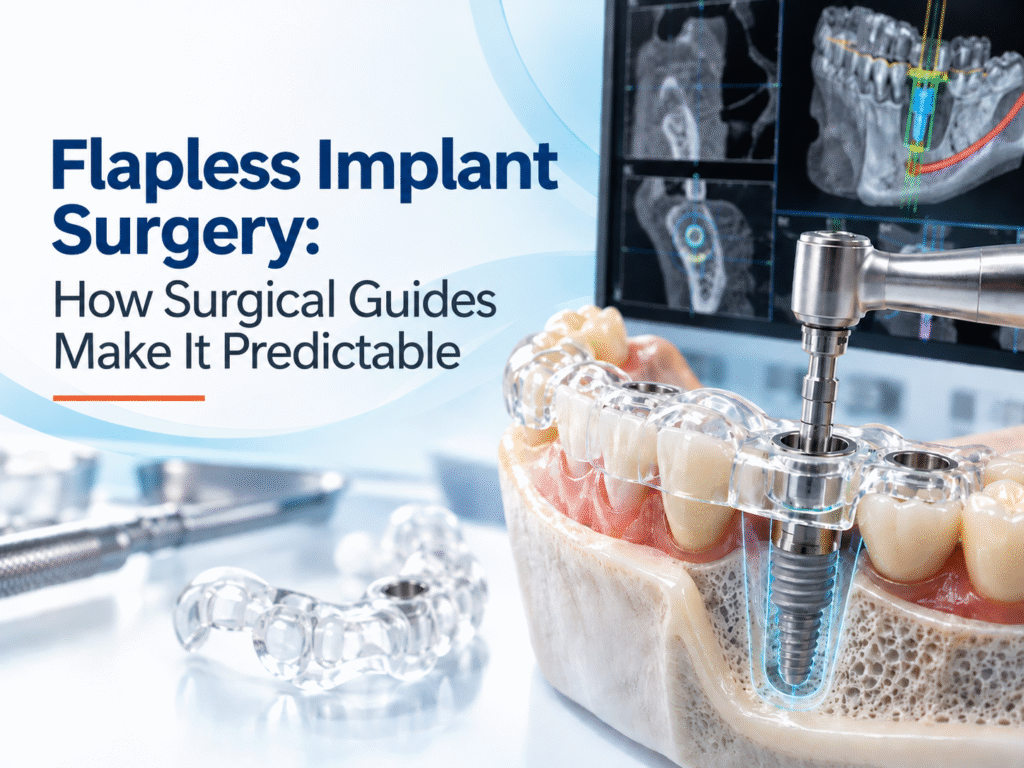
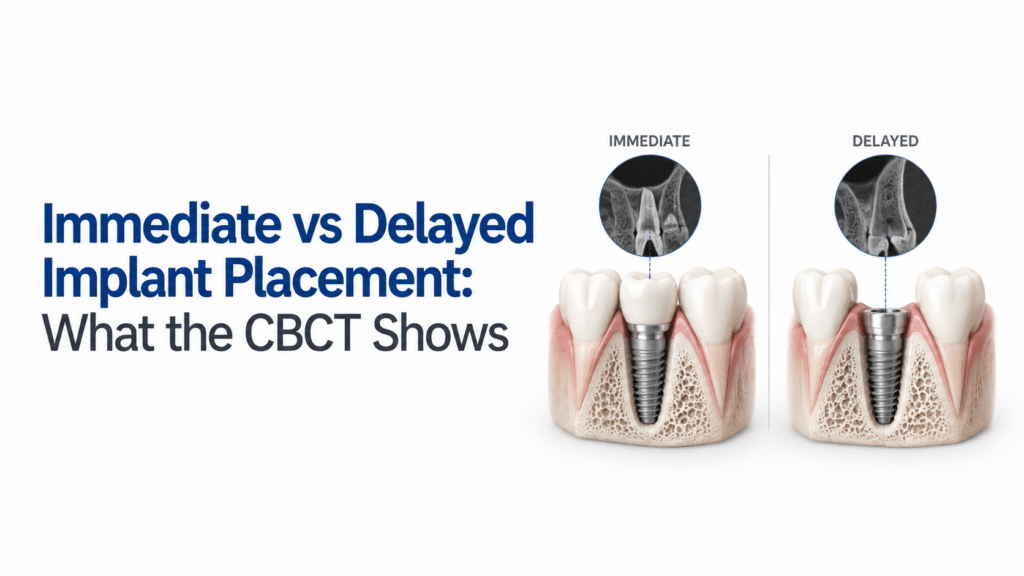
- Implantology AI ensures exact measurements of bone density and implant positioning.
Faster and More Reliable Reports
Instead of waiting hours for a radiology report, AI algorithms generate instant analysis. This doesn’t replace radiologists — it augments their expertise, ensuring accuracy and freeing time for complex interpretations.
Integration with Clinical Workflows
AI systems integrate seamlessly with intraoral scanners, CBCT platforms, and electronic dental records, making it practical for everyday dentistry across practices of all scales.
The Nidaan Advantage in Dental AI
40 Years of Radiology Data as the Driving Force
What makes Nidaan’s AI services unique is not just the technology but the data behind it. With over four decades of curated, annotated dental imaging data from thousands of patients across Pune, Nidaan holds a dataset that global AI companies seek but few can access.
- Supervised data annotation by expert radiologists
- Extensive CBCT and OPG archives
- Multi-specialty relevance (implantology, orthodontics, oral surgery)
Collaboration for AI Companies Worldwide
AI firms in Europe, the US, and India require high-quality, labeled dental datasets to train their algorithms. Nidaan provides exactly that — structured, clinically backed, and cost-effective datasets for scalable AI model training in dentistry.
Benefits of AI in Dentistry for Professionals and Patients
For Dentists
- Predictability in Treatments Reduced guesswork in implant planning.
- Time Efficiency Faster reporting accelerates treatment decisions.
- Confidence in Complex Cases Reliable data support for advanced procedures.
For Patients
- Early Detection Problems like cysts or caries caught earlier.
- Reduced Risk Precise diagnosis reduces surgical complications.
- Faster, Safer Care Less chair time and unnecessary procedures.
Future of AI in Dental Imaging
Expanding Applications Beyond Diagnostics
The future will see AI supporting personalized treatment planning, predicting orthodontic outcomes, and even guiding robot-assisted surgeries.
India’s Role in Global Dental AI Innovation
With its strong clinical base and scalable patient data, India — and pioneers like Nidaan Dental — are positioned to lead the world in AI-powered dental innovation.
Conclusion
Artificial Intelligence is not a futuristic dream anymore — it’s here, and it’s transforming dentistry. Nidaan Dental AI stands at the convergence of legacy data, clinical expertise, and technological innovation, enabling dentists across India and global AI companies to deliver smarter, safer, and more precise oral healthcare.
FAQs – AI in Dentistry Transforming Diagnostic Precision
Q1. How is AI used in dental diagnostics today?
AI is used to detect caries, assess bone density, analyze root canals, map orthodontic structures, and enhance implant placement — all with greater accuracy than traditional methods.
Q2. Does AI replace dental radiologists?
No. AI complements radiologists by providing instant analysis. Dentists still need professional interpretations, but AI reduces variability and speeds up reporting.
Q3. Why is Nidaan Dental a trusted partner for AI companies?
With 40 years of curated dental radiology data annotated by experts, Nidaan delivers high-quality, cost-effective training datasets unavailable elsewhere in India, making them an ideal partner for AI innovation.